
Cooling, Not Cured
For the week ended 8/15/26.

Inflation took a small step in the right direction last month. Just don’t confuse one step with arriving at the destination.
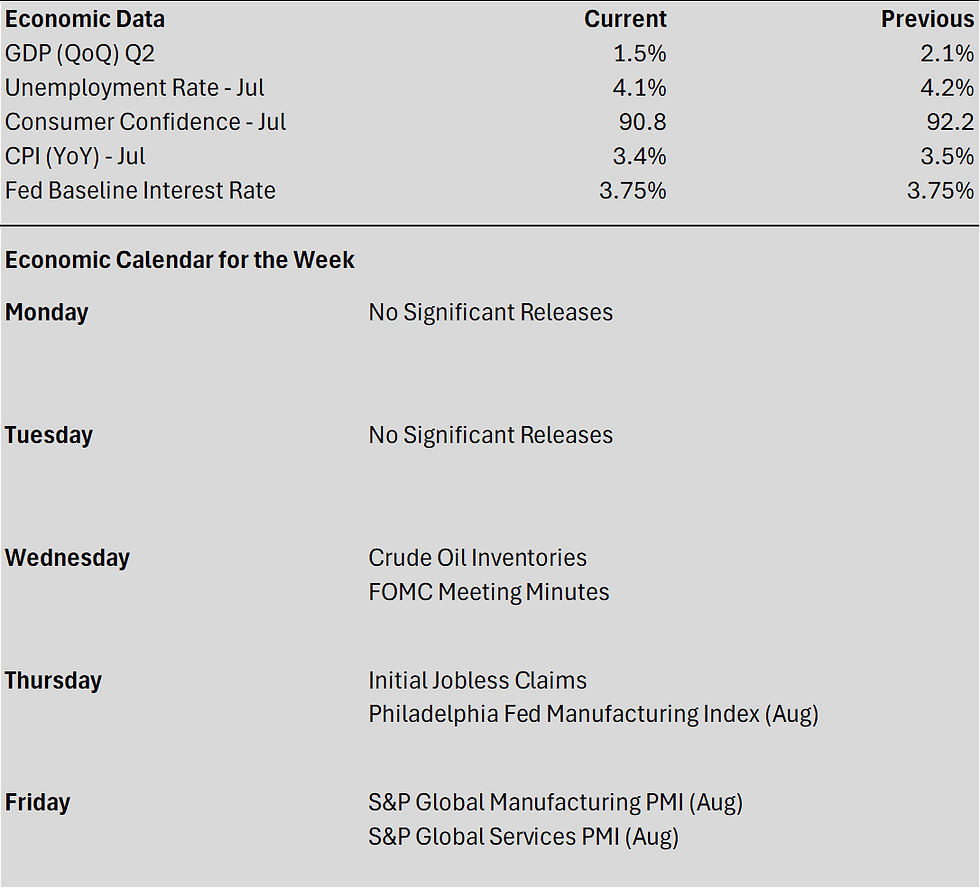
The Consumer Price Index rose 3.4% over the 12 months through July, easing from 3.5% in June. Core inflation, which excludes the food and energy categories most likely to misbehave, also improved, falling to 2.5% from 2.6%. On a monthly basis, core prices rose a relatively modest 0.2%.
Some of the relief came from lower gasoline prices as stop-and-start peace negotiations in the Middle East provided a temporary respite. “Temporary” is doing considerable work in that sentence. Energy prices can turn faster than a teenager who spots a parent at the mall.
Still, the underlying numbers were encouraging. Core inflation essentially matched February’s reading as the lowest since 2021, reducing some of the immediate pressure on the Federal Reserve to raise interest rates in September. Policymakers can now afford to wait for another month of inflation data – something the Fed has elevated into an art form.
Traders agreed. Following the report, interest-rate futures indicated roughly a 60% probability that the Fed holds rates steady at its September meeting, up from 54% immediately before the release. Translation: the inflation report did not eliminate the possibility of a rate hike, but it moved it a little farther from center stage.
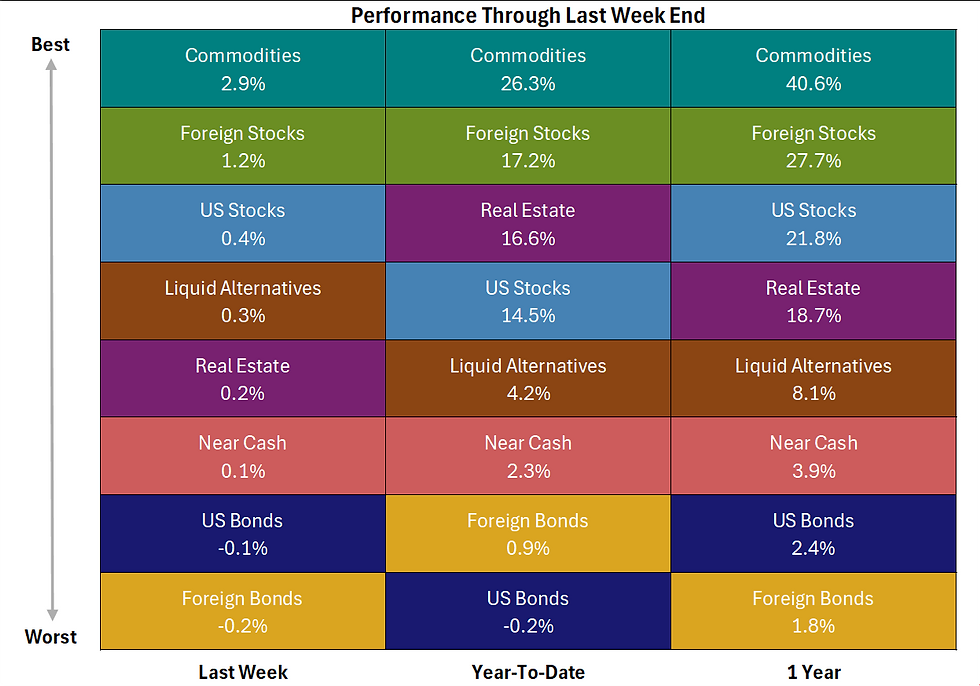
Markets generally enjoyed the news. Commodities led the charge last week with a 2.9% gain, followed by foreign stocks at 1.2% and U.S. stocks at 0.4%. Bonds were the laggards, with U.S. bonds slipping 0.1% and foreign bonds falling 0.2%. Apparently, even a friendlier inflation report was not enough to coax bond investors out of their summer funk.
Now, allow me to climb back onto my proverbial soapbox.
The financial press continues to warn of an approaching private-credit meltdown. Yet the private-credit managers used here at Consilium are generally flat to up approximately 1.5% year-to-date and have gained between 3% and 5% over the past year. Meanwhile, the broader bond market is down roughly 0.2% year-to-date and up only 2.4% over the past 12 months.
Where are the screaming headlines about that?
To be clear, private credit is not risk-free. Valuations are less frequent, liquidity is limited and manager selection matters enormously. Reported returns also do not fluctuate daily like publicly traded bonds, making direct comparisons imperfect. But sweeping declarations of a “meltdown” are not analysis. If this is a collapse, it is taking a remarkably leisurely route.
Interestingly, manager selection appears considerably less rewarding in one of the most widely used areas of the market. According to Morningstar, only 27% of actively managed U.S. large-cap equity funds beat their passive alternatives during the 12 months ended June 30. Over the past decade, just 13% outperformed.
Active managers have argued that higher interest rates, wider performance gaps and AI disruption have created the perfect stock picker’s market. Perhaps. Unfortunately, they still have to pick the right stocks.
The lesson is not that active management never works. It is that investors should demand evidence that active management adds value after fees, taxes and risk. In highly efficient U.S. large-cap stocks, that evidence remains painfully scarce. In less liquid and less transparent markets – including private credit – the opportunity may be greater, but so is the importance of due diligence.
Looking ahead, the economic calendar is fairly quiet. Minutes from the July FOMC meeting arrive Wednesday, followed by manufacturing and services PMI data Friday. The minutes may provide additional clues about how seriously policymakers were considering another rate increase I although July’s employment and inflation reports have already changed the conversation.
With that, enjoy the final days of summer. The markets, the Fed and the financial press will still be waiting for us when fall arrives.
Good morning, and have a great week.

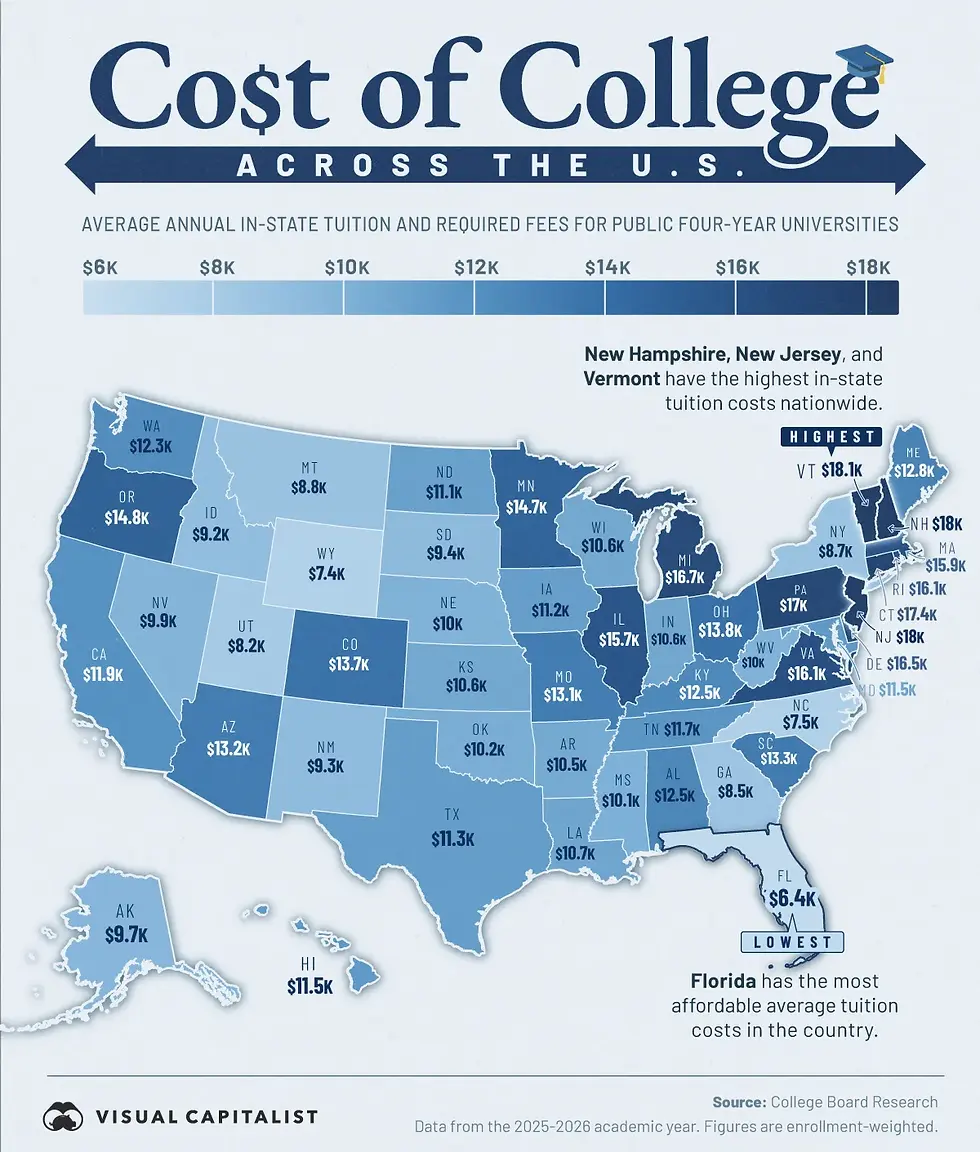
Interesting data point of the week.


Comments